
Make a referral

Resource Summary

  • 14 August 2026

Share

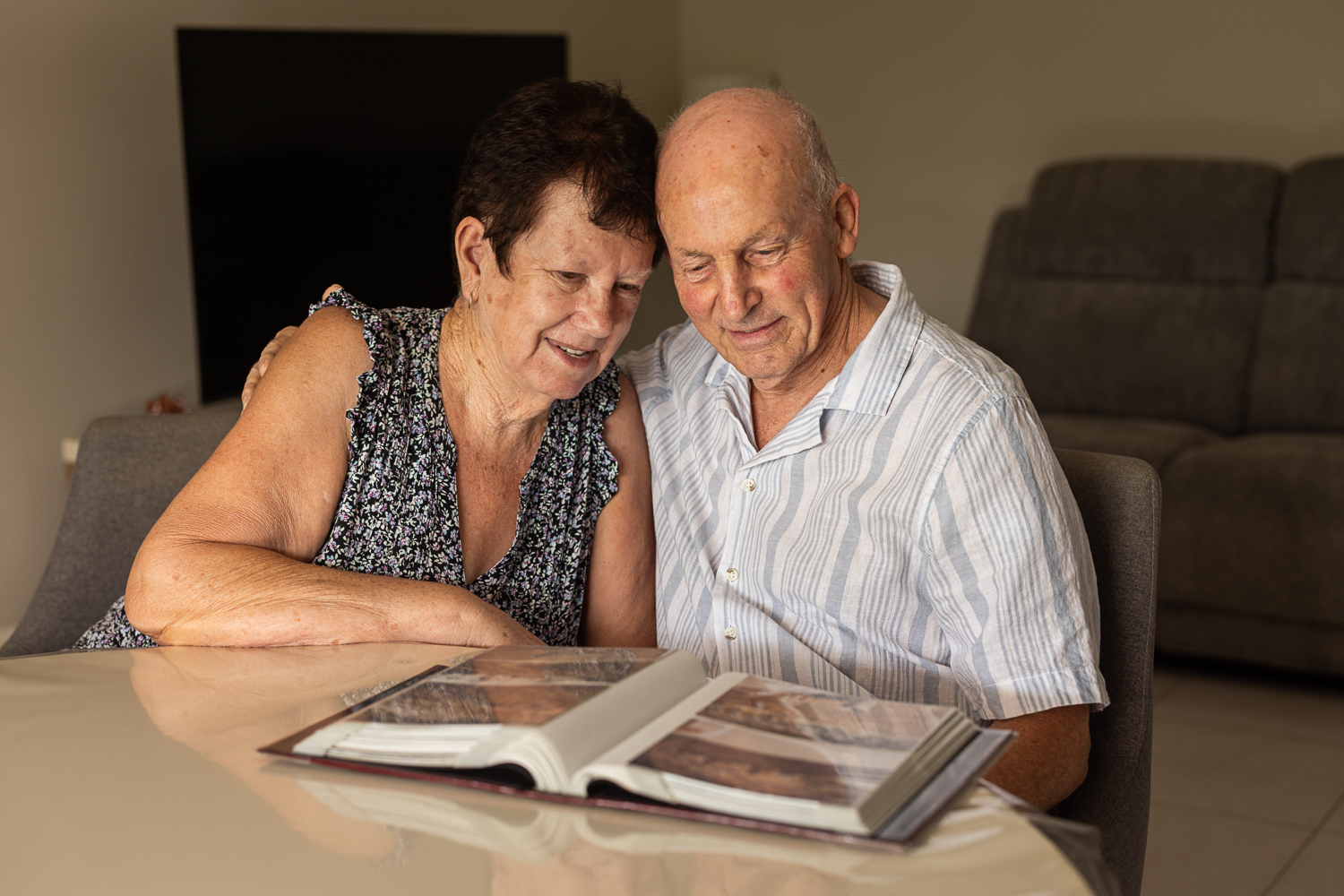
Sue and Malcolm find support through the Staying at Home program

At 80, Malcolm can no longer drive and relies on Sue to get around in the community.

“He doesn’t know his way around,” Sue said. “I couldn’t say to him, ‘Go on the bus’, because he wouldn’t know where it was going. So we’re virtually together (all the time).”

Doing it alone

When it comes to Malcolm’s care and support, Sue doesn’t receive any outside help, preferring to look after him herself.

“I’m pretty independent,” she said. “I do a lot of maintenance stuff – like the other day I was up the ladder with the drill. I took the pelmet off the door and took the track off, because it was scraping. We’re doing it on our own at the moment.”

For full-time carers like Sue who are looking after a loved one living with dementia, it can be difficult to get any respite.

“If we want to go anywhere, including the supermarket, we can go, (but) it means I’m not getting any respite,” Sue said.

“Quite often in the afternoon, he’ll have two or three hours of sleep, so that’s my respite time. I’ll do some paperwork, put our tablets into their boxes, things like that.”

Dementia Support Australia aims to change that with its free Staying at Home program. The two-day retreat takes place in a relaxed small-group setting and is designed to empower and upskill carers with practical dementia care strategies, connect them with other carers, and give them a short reprieve from their caring responsibilities.

There are also other supporting resources available to carers, including a webinar series, It Takes a Village. The series is ideal for carers who are unable to attend an overnight respite retreat or prefer learning at their own pace. The online sessions provide practical tools to help carers navigate the changes associated with dementia, through expert advice and peer support.

The next It Takes a Village series will take place in October, followed by one in November.

Sue said they first heard about the program at one of the memory clinic morning teas they had been attending.

“We made friends with these other people, and they were talking about it, and we thought, ‘We’ll do it’. You had two free days, I could be with other people – and I got fed,” she said, laughing.

“We both went, but I was in a room with three other carers, and then the loved ones living with dementia were with the dementia consultants in another room.

“This bloke was loving all the attention,” Sue said, talking about Malcolm.

“I had a great time,” Malcolm said.

While Sue was learning strategies for prioritising her own wellbeing and preparing for the future, Malcolm was participating in a range of engagement activities.

Support for carers

The key take away for Sue was a renewed confidence and the realisation that there are other people in a similar position.

“To know that there are other people in your situation, or perhaps, a worse situation, it gives you more confidence. It was just a nice, friendly environment,” she said.

Sue also now knows where to go to access services when she needs them.

Dementia Support Australia consultant Ange Slattery said the Staying at Home program is about educating carers and their loved ones to help people living with dementia to remain at home as long as possible.

“We’re trying to upskill people as much as we can to keep people at home, keep people confident in the skills they have, and prepare them for changes they might expect,” Ms Slattery said.

“It’s reassuring carers that they’re on the right track, giving them lots of resources, but also around their own wellbeing as well.”

Ms Slattery said staying in the home environment can make a big difference to people living with dementia.

“Home is a place of familiarity where routines and preferences can be maintained. Most people living with dementia and their carers would prefer to remain at home in their familiar environment,” she said.

And for Sue, being able to care for Malcolm in their home is her number-one priority.

“That’s my main aim. I want to be able to keep him with me.”

In 2026, Dementia Support Australia will be hosting free Staying at Home retreats across Australia in Queensland, Tasmania and the Northern Territory. There are also supporting providers who offer the program in alternative states across Australia. To register your interest or to find out more, visit https://www.dementia.com.au/stayingathome, email stayathome@dementia.com.au or phone 1800 699 799.


 

Subscribe for important DSA news & updates

Submit your ideas or request new resources to dsanews@dementia.com.au

How to get started

Call our 24-hour helpline on 1800 699 799